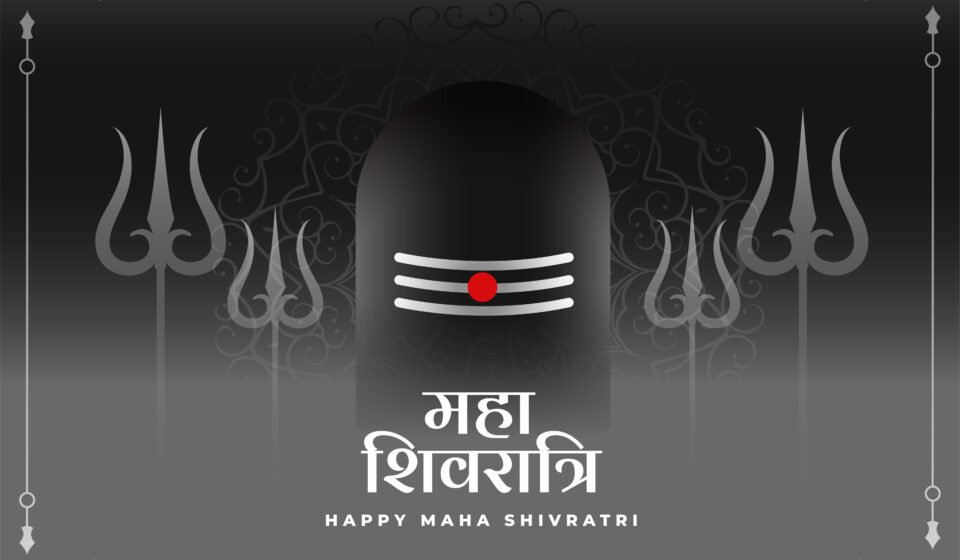

Maha Shivratri is one of the most sacred and spiritually powerful festivals in Hindu tradition, celebrated with deep devotion and reverence across India and in many parts of the world. Dedicated to Lord Shiva, the supreme symbol of transformation and divine consciousness, Maha Shivratri literally means “the Great Night of Shiva.” Unlike other Hindu festivals that are celebrated with lights, colors, and festivities during the daytime, Maha Shivratri is observed primarily at night, emphasizing inner awakening, meditation, and self-realization.
This auspicious festival falls annually in the month of Phalguna (February–March) according to the Hindu lunar calendar and marks a time when spiritual energy is believed to be at its peak. Devotees observe fasts, chant sacred mantras like “Om Namah Shivaya,” and perform night-long prayers known as Jagran. Temples dedicated to Lord Shiva are beautifully decorated, and special rituals are conducted to honor the divine presence of the Mahadev.
Maha Shivratri holds profound spiritual, cultural, and philosophical significance. According to ancient scriptures and legends, this holy night is associated with several divine events. One popular belief is that it marks the divine marriage of Lord Shiva and Goddess Parvati, symbolizing the union of consciousness and energy, or Shiva and Shakti. Another legend suggests that on this night, Lord Shiva performed the cosmic dance known as Tandava, which represents the cycles of creation, preservation, and destruction in the universe. There is also a belief that during the churning of the ocean (Samudra Manthan), Lord Shiva consumed poison (Halahala) to save the universe, and Maha Shivratri commemorates this act of supreme sacrifice and compassion.
Beyond mythology, Maha Shivratri is deeply rooted in spiritual science. Yogic traditions consider this night extremely favorable for meditation and inner growth because the planetary positions naturally elevate human consciousness. It is believed that staying awake and engaging in prayer or meditation on this night helps individuals rise above worldly distractions and connect with their inner self. This is why saints, yogis, and spiritual seekers treat Maha Shivratri as a gateway to higher awareness and enlightenment.
Fasting is an essential part of Maha Shivratri observance. Devotees either observe a complete fast or consume light, satvik foods such as fruits, milk, and nuts. This practice is not only religious but also holds health significance. Fasting helps detoxify the body, rest the digestive system, and bring balance to both physical and mental health. When combined with prayer and meditation, fasting enhances self-discipline and strengthens willpower, making Maha Shivratri a holistic practice for mind, body, and soul.
Rituals performed on Maha Shivratri are simple yet deeply symbolic. The Shivling is worshipped with offerings of water, milk, honey, and bel leaves. Each offering carries meaning: water signifies purity, milk represents nourishment, honey symbolizes sweetness in life, and bel leaves are considered sacred to Lord Shiva. Devotees also light oil lamps and incense sticks while reciting mantras, creating a peaceful and spiritually charged atmosphere. Many people read or listen to Shiva Purana and other sacred texts to understand the divine qualities and teachings of Lord Shiva.
Maha Shivratri also teaches important life values. Lord Shiva is often depicted as a yogi, detached from material desires and immersed in meditation. His form inspires people to live a balanced life—fulfilling worldly responsibilities while remaining spiritually grounded. The festival reminds us that true happiness lies not in external pleasures but in inner peace and self-awareness. By observing Maha Shivratri, devotees seek to overcome negative emotions such as anger, ego, and fear, and cultivate qualities like compassion, patience, and humility.
In modern times, Maha Shivratri has gained global recognition as a day of meditation and spiritual reflection. People from different cultures participate in yoga sessions, chanting programs, and spiritual discourses on this day. The festival has become a bridge between ancient wisdom and modern lifestyle, showing how traditional practices can support mental well-being, emotional stability, and physical health.
Another important aspect of Maha Shivratri is its emphasis on night worship. Spiritually, night represents darkness and ignorance, while Shiva represents knowledge and light. By staying awake and worshipping throughout the night, devotees symbolically move from darkness to light, from ignorance to wisdom. This inner journey is the true essence of Maha Shivratri, making it much more than a ritualistic celebration.
Maha Shivratri is not only a religious festival but also a spiritual opportunity for self-transformation. It invites individuals to pause, reflect, and realign their lives with higher values. In a world filled with stress, competition, and material pursuits, this sacred night encourages people to slow down and reconnect with their inner self. Through fasting, prayer, meditation, and devotion, Maha Shivratri becomes a powerful reminder of the eternal truth that spiritual growth is the ultimate purpose of human life.
Thus, Maha Shivratri stands as a timeless celebration of faith, discipline, and divine connection. It inspires millions to walk the path of righteousness, self-control, and spiritual awakening. Observing this holy festival with sincerity and devotion is believed to bring peace, prosperity, and liberation from suffering. Above all, Maha Shivratri teaches us that true worship of Lord Shiva lies in transforming ourselves into better human beings—pure in thoughts, strong in character, and compassionate in actions.
📅 Maha Shivratri 2026 Date
Maha Shivratri will be celebrated in February 2026 (exact date as per Hindu calendar).
🔱 Spiritual Significance of Maha Shivratri
Maha Shivratri is believed to be the day when Lord Shiva performed the cosmic dance (Tandava). It is also considered the night when Shiva married Goddess Parvati.
This sacred night is ideal for:
-
Meditation and self-reflection
-
Seeking forgiveness for past sins
-
Gaining inner peace and clarity
-
Strengthening spiritual discipline
🪔 Maha Shivratri Puja Vidhi (Simple Method)
-
Wake up early and take a holy bath
-
Offer water, milk, honey, and bel patra to Shivling
-
Chant “Om Namah Shivaya” or Mahamrityunjaya Mantra
-
Light a diya and incense sticks
-
Read or listen to Shiva Katha
-
Perform night vigil (Jagran)
🥗 Maha Shivratri Fasting Rules
Devotees observe a strict or partial fast on this day.
Common fasting foods include:
-
Fruits
-
Sabudana
-
Milk and curd
-
Coconut water
-
Dry fruits
Avoid:
-
Rice
-
Wheat
-
Onion and garlic
-
Non-vegetarian food
💚 Health Benefits of Shivratri Fast
Fasting on Maha Shivratri is not only spiritual but also beneficial for health:
✔️ Detoxifies the digestive system
✔️ Improves metabolism
✔️ Boosts immunity
✔️ Enhances mental focus
✔️ Reduces stress and anxiety
Fasting combined with meditation helps in hormonal balance and improves overall well-being.
🧘 Yoga and Meditation on Maha Shivratri
Shivratri is considered the best day for meditation and yoga. Practicing:
-
Pranayama
-
Padmasana
-
Dhyana (meditation)
helps awaken inner energy and brings mental peace.
🌸 Why Maha Shivratri is Called the Great Night of Shiva
Unlike other festivals celebrated during the day, Maha Shivratri is observed at night. It represents:
-
Overcoming darkness
-
Awakening of consciousness
-
Destruction of negative energies
🙏 Conclusion
Maha Shivratri is not just a festival; it is a spiritual opportunity to cleanse the body, mind, and soul. By observing fast, performing puja, and practicing meditation, devotees invite positivity, prosperity, and divine blessings into their lives.
May Lord Shiva bless you with good health, wisdom, and happiness on this Maha Shivratri.
Har Har Mahadev! 🔱