
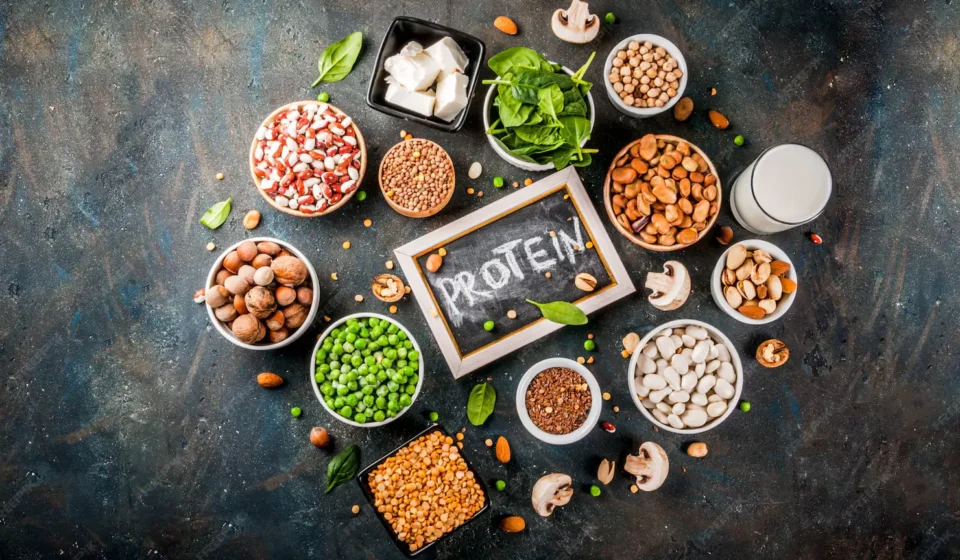
Top 10 High-Protein Vegetarian Foods: The Ultimate Guide for Shakahari Health

In the world of fitness and wellness, there is a long-standing myth that a vegetarian diet cannot provide enough protein for muscle building or weight loss. Many believe that without meat or eggs, one’s protein intake will remain incomplete. However, science and nutrition tell a different story. Nature has provided an abundance of plant-based sources that are not only rich in protein but also packed with essential vitamins, minerals, and fiber.
In this comprehensive guide for tipstowell.com, we will dive deep into why protein is vital for your body and explore the top 10 vegetarian protein sources you should include in your daily meals.
Why Does Your Body Need Protein?
Protein is often referred to as the “building block” of life. Every cell in the human body contains protein. It is a chain of amino acids that your body needs to function correctly. Here is why it is indispensable:
-
Muscle Growth and Repair: Protein is essential for repairing tissues after a workout and building lean muscle mass.
-
Weight Management: High-protein foods promote satiety (the feeling of fullness). This prevents overeating and helps in shedding stubborn body fat.
-
Metabolic Boost: Your body uses more energy to digest protein compared to fats or carbs, which slightly boosts your metabolism.
-
Stronger Immunity: Antibodies that help fight infections and diseases are made primarily of protein.
Top 10 Vegetarian Protein Sources
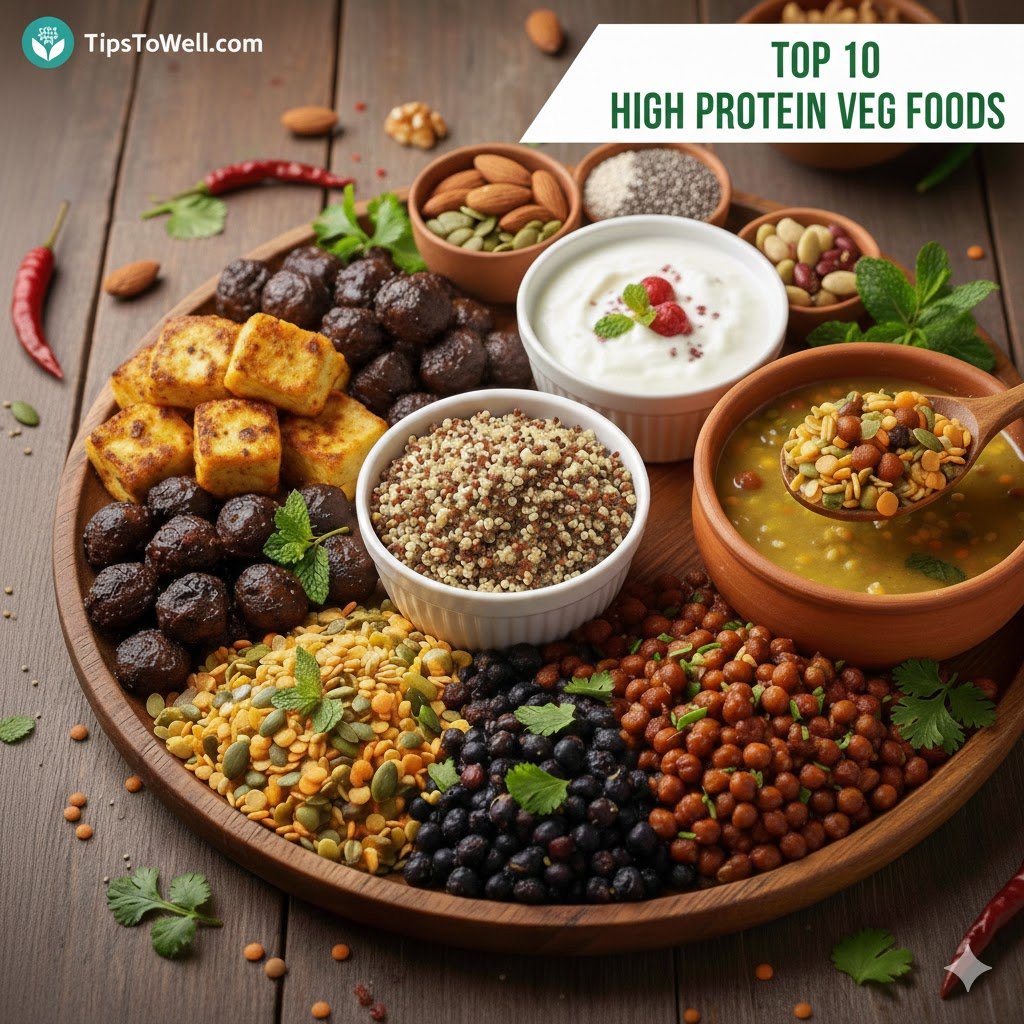
If you are looking to level up your health game, here are the best plant-based protein options:
1. Soya Chunks (The Vegetarian Meat)
Soya chunks are arguably the king of vegetarian protein. They are highly versatile and contain more protein than most meats.
-
Protein Content: Approximately 52g per 100g.
-
How to eat: You can add them to pulao, make a dry stir-fry, or use them in curries.
2. Paneer (Cottage Cheese)
A staple in Indian households, Paneer is a slow-digesting protein (casein), making it an excellent option for a dinner meal to keep your muscles fueled overnight.
-
Protein Content: About 18-20g per 100g.
-
Tip: If you are watching your weight, opt for paneer made from low-fat or toned milk.
3. Lentils (Dal)
From Moong and Masoor to Arhar and Urad, lentils are the most accessible source of protein. They are also rich in folate and iron.
-
Protein Content: About 9-12g per cooked cup.
-
Tip: Always combine dal with rice or rotis to form a “complete protein” profile.
4. Chickpeas (Chana) and Kidney Beans (Rajma)
These legumes are favorites for a reason. They are loaded with fiber, which helps in digestion while providing a steady release of energy.
-
Protein Content: Roughly 15g per cooked cup.
-
Serving Idea: Chickpea salad with cucumbers and tomatoes is a perfect high-protein lunch.
5. Tofu (Soy Paneer)
For those who are lactose intolerant or following a vegan lifestyle, Tofu is the perfect substitute for Paneer. It is low in calories and contains all essential amino acids.
-
Protein Content: About 8-10g per 100g.
6. Greek Yogurt
Greek yogurt is strained to remove liquid whey, resulting in a much thicker consistency and double the protein of regular curd.
-
Protein Content: 10-12g per cup.
-
Tip: Avoid flavored versions to stay away from hidden sugars.
7. Quinoa
Quinoa is one of the few plant foods that contain all nine essential amino acids, making it a “complete protein.” It is an excellent gluten-free alternative to rice.
-
Protein Content: 8g per cooked cup.
8. Nuts (Almonds and Walnuts)
Nuts are a great way to get protein and healthy fats simultaneously. They are perfect for brain health and heart health.
-
Protein Content: 6g per 28g serving (handful).
9. Chia and Pumpkin Seeds
Don’t be fooled by their size. These seeds are nutritional powerhouses. Pumpkin seeds, in particular, are very high in magnesium and protein.
-
Protein Content: 7g per 28g serving of pumpkin seeds.
10. Oats
Oats are not just for fiber; they contain more protein than most common grains like wheat or rice. They are the perfect way to start your day.
-
Protein Content: 11-13g per cup (raw).
Pro-Tips to Maximize Your Protein Absorption
-
Variety is Key: Don’t stick to just one source. Rotate between lentils, soy, and dairy to ensure you get a wide range of nutrients.
-
Soak Your Legumes: Soaking beans and lentils overnight reduces “anti-nutrients” and makes the protein easier for your body to absorb.
-
Post-Workout Timing: Try to consume a high-protein snack within 45 minutes of exercising to help your muscles recover faster.
-
Stay Hydrated: A high-protein diet requires more water for the kidneys to process waste products efficiently.
Conclusion: Wellness Starts with Your Plate
Being a vegetarian is never a hurdle to achieving a fit and muscular body. By strategically adding these 10 foods to your daily routine, you can easily meet your nutritional goals. At tipstowell.com, we believe that small changes in your kitchen lead to big changes in your life.
Also Read
Pre Holi Health Tips: Stay Safe & Fit Before the Festival of Colors Herbal Supplement
Keeda Jadi High Potency Formula – 30 Capsules



[…] Top 10 High-Protein Vegetarian Foods: The Ultimate Guide for Shakahari Health […]